
Last updated: July 21, 2026
There are stories that whisper, and stories that howl across the moors. Emily Brontë's Wuthering Heights has never been a quiet tale — it is wind-lashed and elemental, bound to the rugged landscape that shaped it. With the release of the 2026 film adaptation, audiences are once again being drawn into a world of brooding skies, sweeping heather and untamed passion. And to truly understand it, you have to come to Yorkshire. Because Wuthering Heights is not just set in Yorkshire — it belongs to Yorkshire.
Is Wuthering Heights set in Yorkshire?
Yes — firmly. The novel unfolds on the remote moorlands of West Yorkshire, at the fictional farmhouse of Wuthering Heights and nearby Thrushcross Grange. Emily Brontë drew directly on the dramatic landscapes around her home in Haworth. The wild terrain, the relentless wind, the isolation — they are not backdrops but characters. The 2026 film embraces this geography wholeheartedly, returning the story to its authentic roots on the Yorkshire moors.
The Brontës and Yorkshire: a literary legacy
Emily, Charlotte and Anne Brontë lived most of their lives in Haworth, at the parsonage where their father, Patrick, served as curate. It was within those walls that Emily wrote Wuthering Heights in 1847. Today, visitors can walk the very rooms where the sisters worked, and step out onto the same vast, windswept moors — you can read more about their lives in our journal piece on the real lives of the Brontë sisters.
Wuthering Heights Film 2026: returning to the moors
Unlike some earlier adaptations that leaned on studio sets, the 2026 production leaned deeply into authenticity. It was primarily shot on location across West Yorkshire, with scenes captured on the moorland surrounding Haworth and within the broader Yorkshire Dales. Key areas included the Haworth Moor landscape, sweeping vistas within the Yorkshire Dales, and historic manor houses and farmsteads standing in for Thrushcross Grange. The result is a film that feels inseparable from the land itself.
The Yorkshire moors as a character
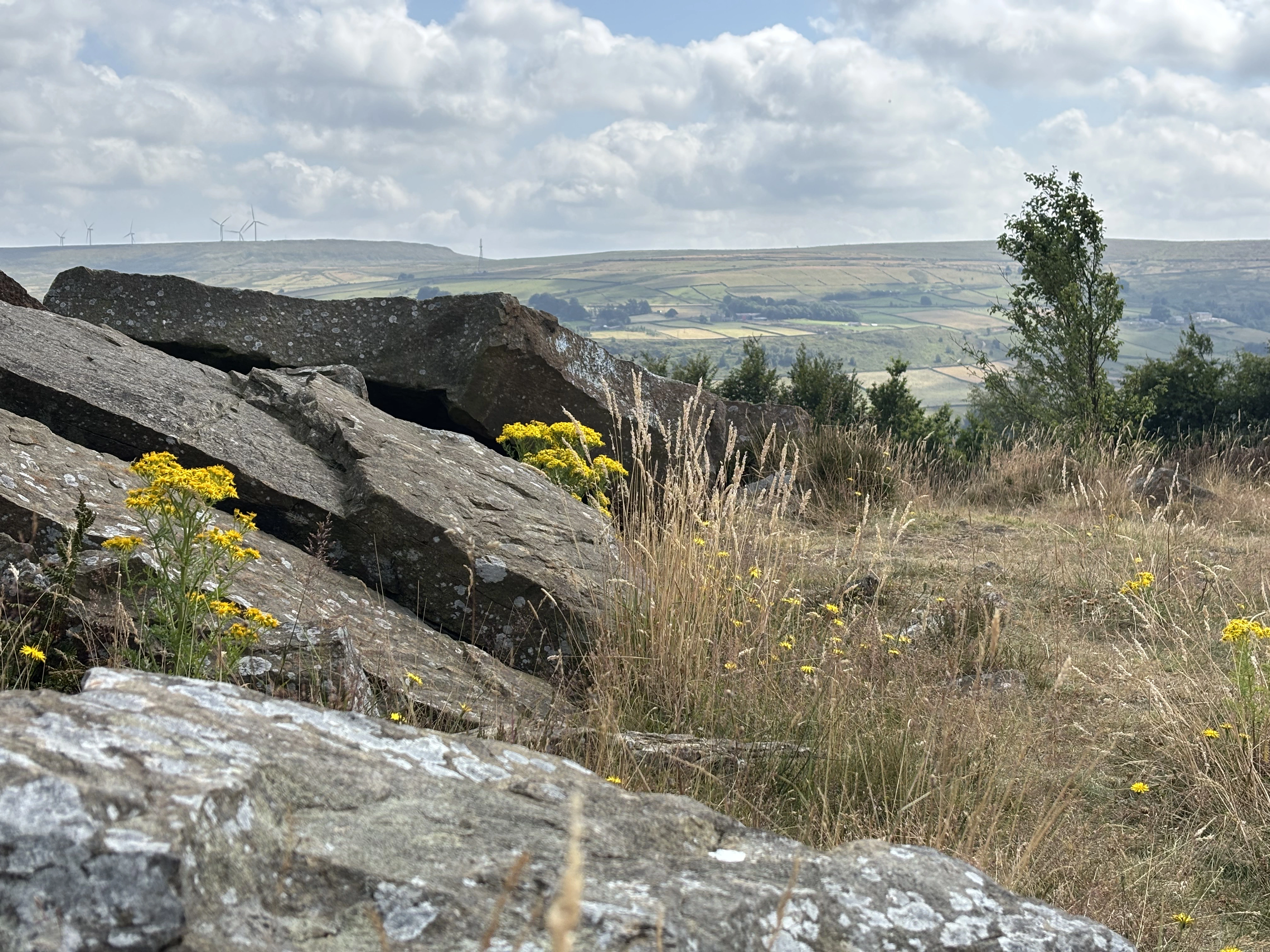
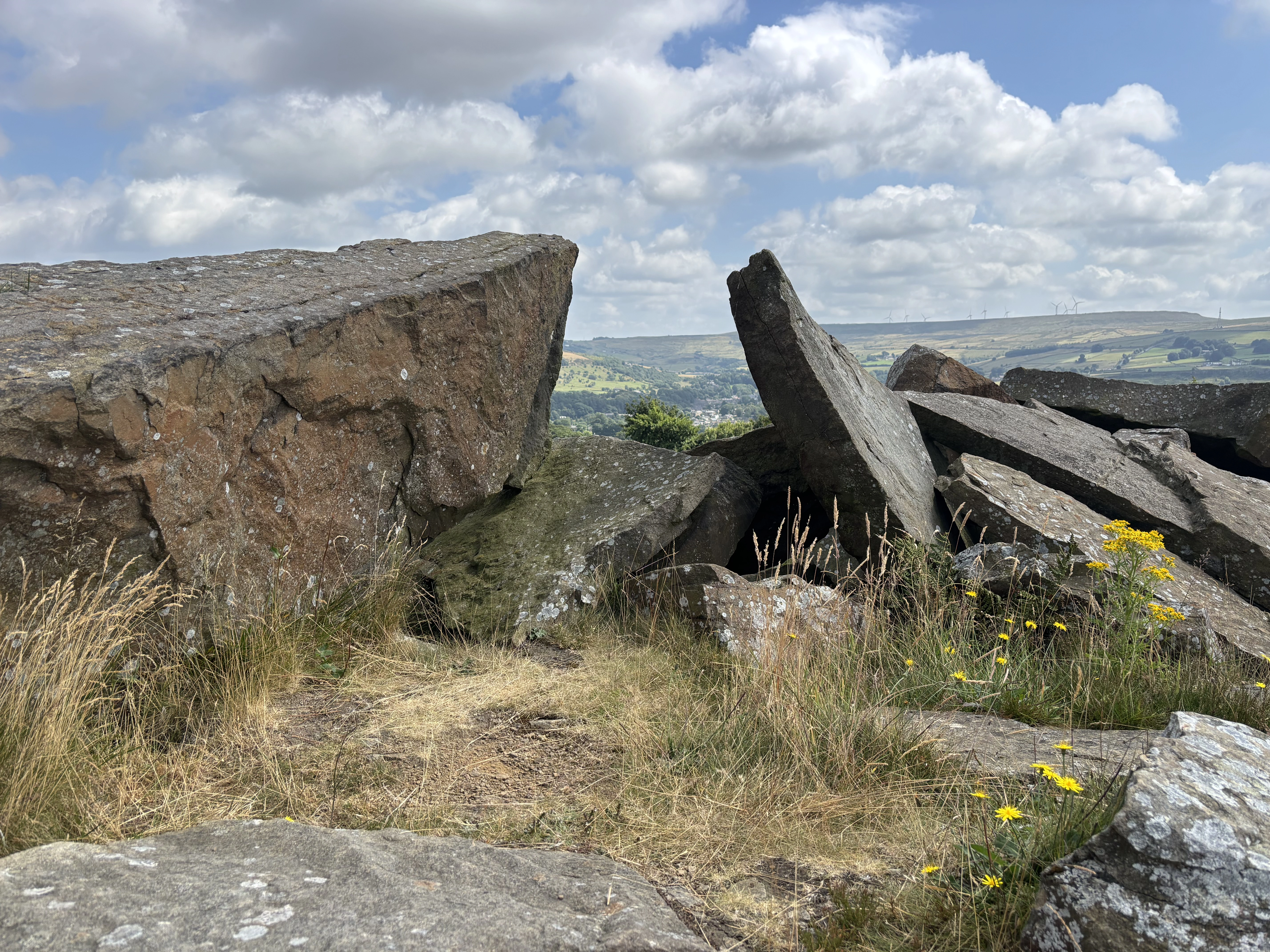
The word "wuthering" itself refers to turbulent, gusting weather — and on the moors, you don't just hear the wind, you feel it in your bones. The heather rolls like a purple sea in late summer, stone walls carve through the landscape, and the sky feels immense and ever-changing. Stand on a moorland ridge and you understand at once why Emily Brontë chose this setting for Heathcliff and Cathy's story.
Essential Wuthering Heights locations to visit
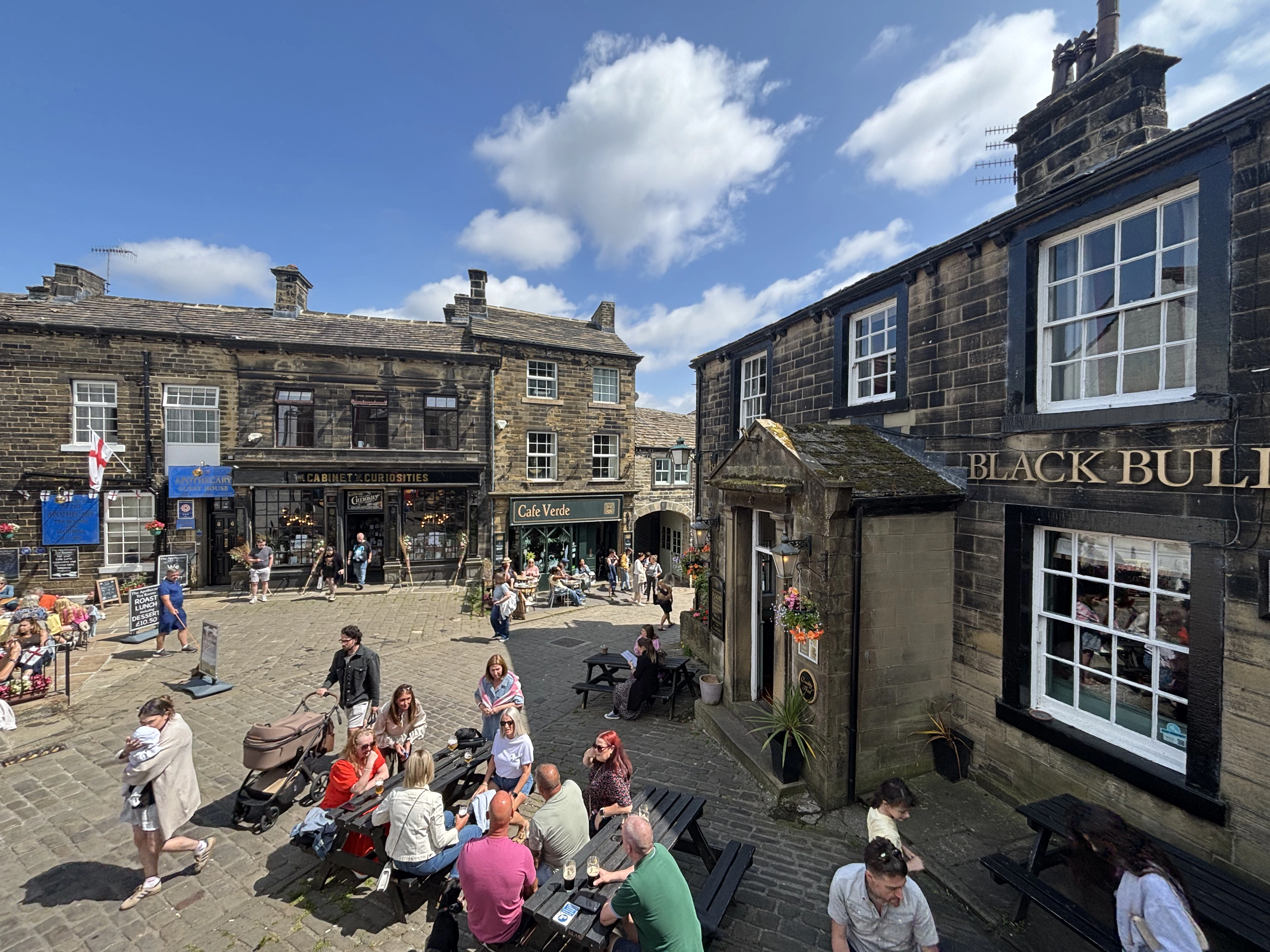
- Haworth village — a beautifully preserved Victorian village of cobbled streets, traditional pubs and independent bookshops; the gateway to Brontë Country.
- Brontë Parsonage Museum — manuscripts, personal belongings and original furniture bring the sisters' lives into vivid focus.
- Top Withens — the ruined farmhouse on Haworth Moor often believed to have inspired the house itself; the walk there is bracing and unforgettable.
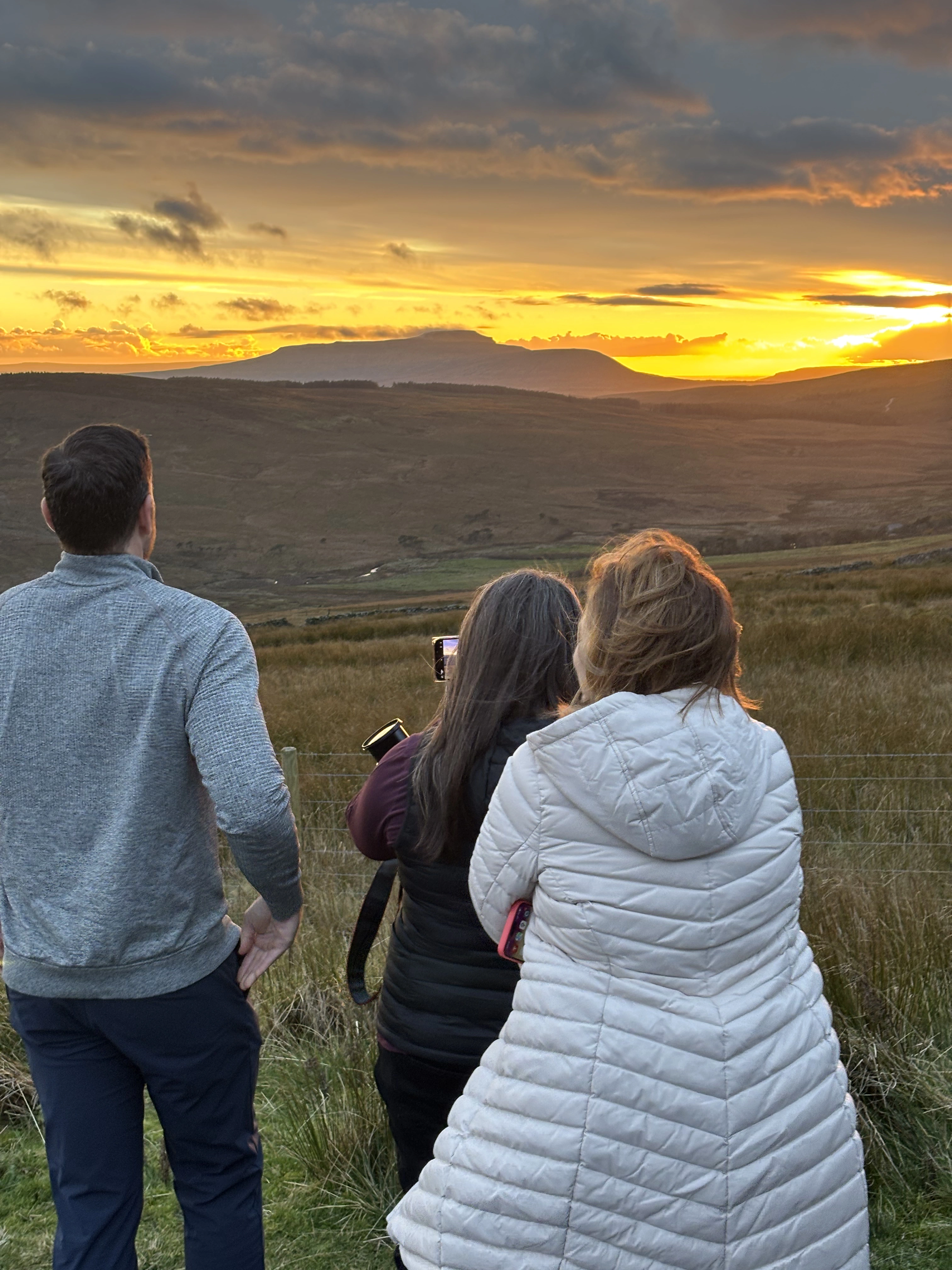
- Yorkshire Dales landscapes — rolling hills, limestone outcrops and stone-built villages that lend the 2026 film its epic scale.
Why Yorkshire is essential to the story
You cannot separate Wuthering Heights from Yorkshire. The isolation of the moors mirrors Heathcliff's alienation; the harsh climate reflects the volatility of the characters; the vast openness amplifies longing and loss. This is not simply a love story — it is a story shaped by place.
Book a guided Wuthering Heights tour
To move beyond screen and page and step directly into the landscape, a guided experience offers unmatched depth. Our private Brontë Country tour takes in the key settings, the historic village of Haworth and the moorland routes linked to Emily Brontë, along with hidden viewpoints independent visitors often miss. With expert local guides, you gain not just geography but literary and cinematic context — the stories behind the story. To plan your visit, get in touch. The wind is still rising on the moors.