Last updated: July 21, 2026
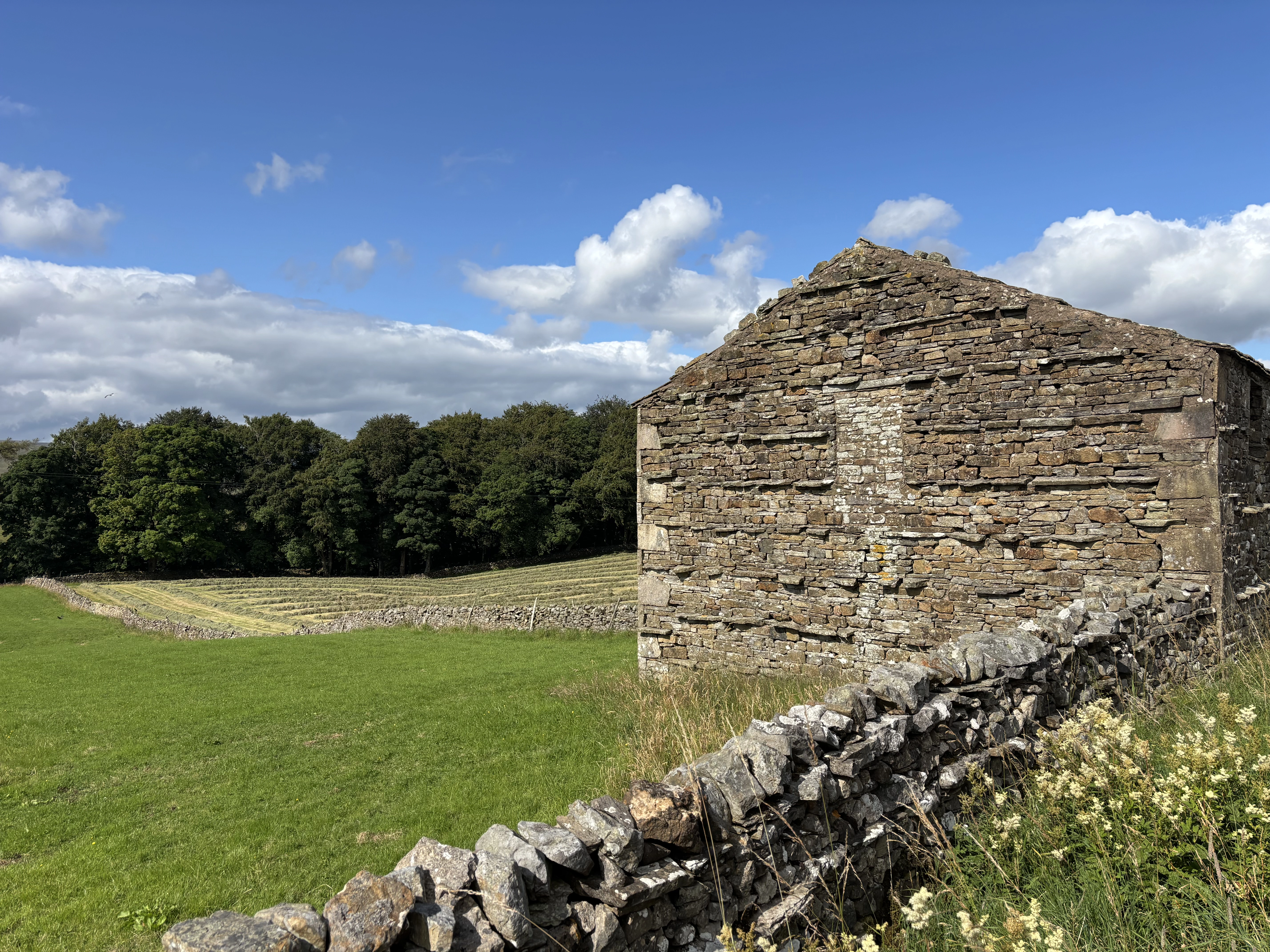
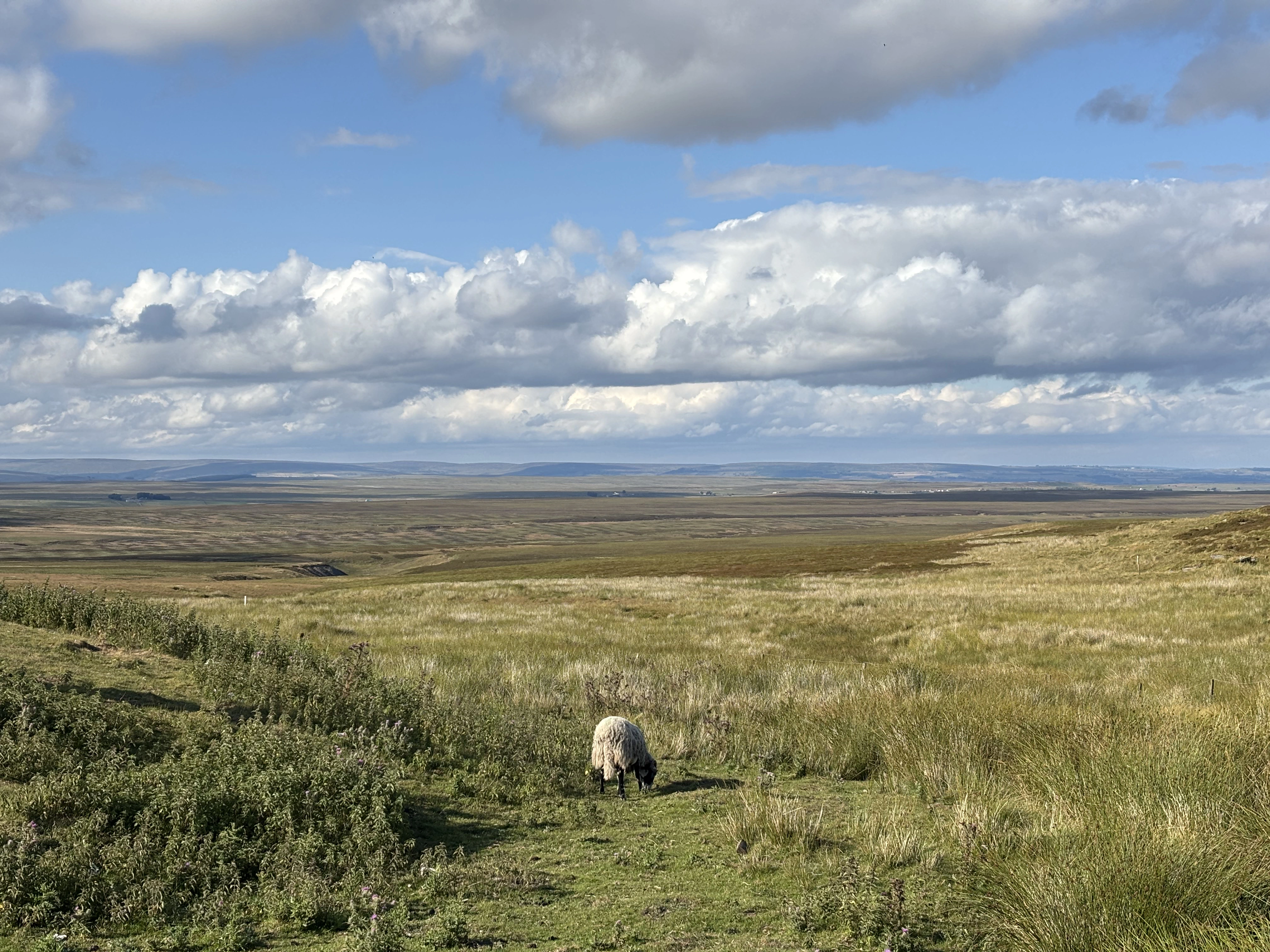
Picture the Yorkshire Dales on a soft spring morning: mist hanging in the valleys, drystone walls climbing the fellsides, and sheep grazing quietly across the hills. To understand Yorkshire, you have to understand its sheep — not just as livestock, but as characters, companions and custodians of the countryside.
The guardians of the hills: what sheep live in the Yorkshire Dales?
The Dales are home to hardy, historic breeds adapted to rugged terrain, with lineages that may trace back as far as Roman times.
Swaledale
Arguably the most iconic Yorkshire breed, Swaledales have curled horns and striking black faces with white markings like spectacles. Native to the Swaledale valley in North Yorkshire, they're strong mothers and produce thick wool suited to carpets and tweeds.
Dalesbred
A beautiful and practical blend of Swaledale and Scottish Blackface, the Dalesbred has an alert black face, speckled legs and curved horns. It was developed in the Dales for strength and adaptability.
Rough Fell
Towering and stoic, these high-moorland sheep may carry Norse settler ancestry and grow thick fleeces to see them through the harshest weather.
Hebridean
Not native to Yorkshire, these small black sheep with dramatic spiralling horns have been reintroduced through conservation projects, having once come close to extinction.
A fleece of history: sheep through the ages
Wool built much of Yorkshire's wealth. Medieval monks from abbeys including Fountains, Jervaulx, Rievaulx and Bolton bred sheep whose wool was exported to Italy and Flanders. The Cistercians in particular were some of the most skilled and prosperous sheep breeders of their day — they enclosed vast swathes of land, trained shepherds, and developed wool of such high quality that it became the basis of medieval trade.
Later, the Industrial Revolution brought great mills to Leeds, Bradford and Huddersfield. Yet out on the hills, shepherds and their flocks carried on quietly, unchanged in their bond with the land.
Black-faced beauties and rare breeds
Yorkshire's black-faced sheep — Swaledale, Scottish Blackface and Hebridean among them — are visually striking and easy to pick out from a distance. The Hebridean, once nearly extinct, is now protected. You may even spot a Valais Blacknose, a Swiss breed that has appeared on some Yorkshire farms and is often called the cutest sheep in the world: a living teddy bear grazing on English grass.
The friendliest breed of sheep
Herdwick sheep — originally from the Lake District but found in Yorkshire too — are especially friendly and charming: curious, sociable and surprisingly bold, with woolly faces and intelligent eyes. Raised near people, they thrive on human contact, which makes them favourites at sanctuaries. The Sheep Sanctuary in Leeds offers the chance to stroke a soft nose, learn a few names and perhaps earn a baa of approval.
Do sheep like to be petted?
Many do — especially those raised near people. Much like dogs and cats, sheep remember voices, recognise faces and respond to affection, though a little natural caution is normal; patience and calmness win their trust.
The romance of sheep: a visitor's guide
- Stay on a sheep farm. Many working farms in Wensleydale, Swaledale and Coverdale welcome guests, with the chance to help with morning feeding or watch shearing.
- Visit a traditional woollen mill. Farfield Mill near Sedbergh and Glencroft in Clapham offer workshops, local wool products and a glimpse of traditional spinning and weaving.
- Explore abbey ruins and shepherd trails. Abbey ruins such as Jervaulx and Fountains are ringed by sheep fields, and footpaths through Malham Cove, Aysgarth Falls and Muker Meadows are a joy — especially during spring lambing.
How many sheep are in the Yorkshire Dales?
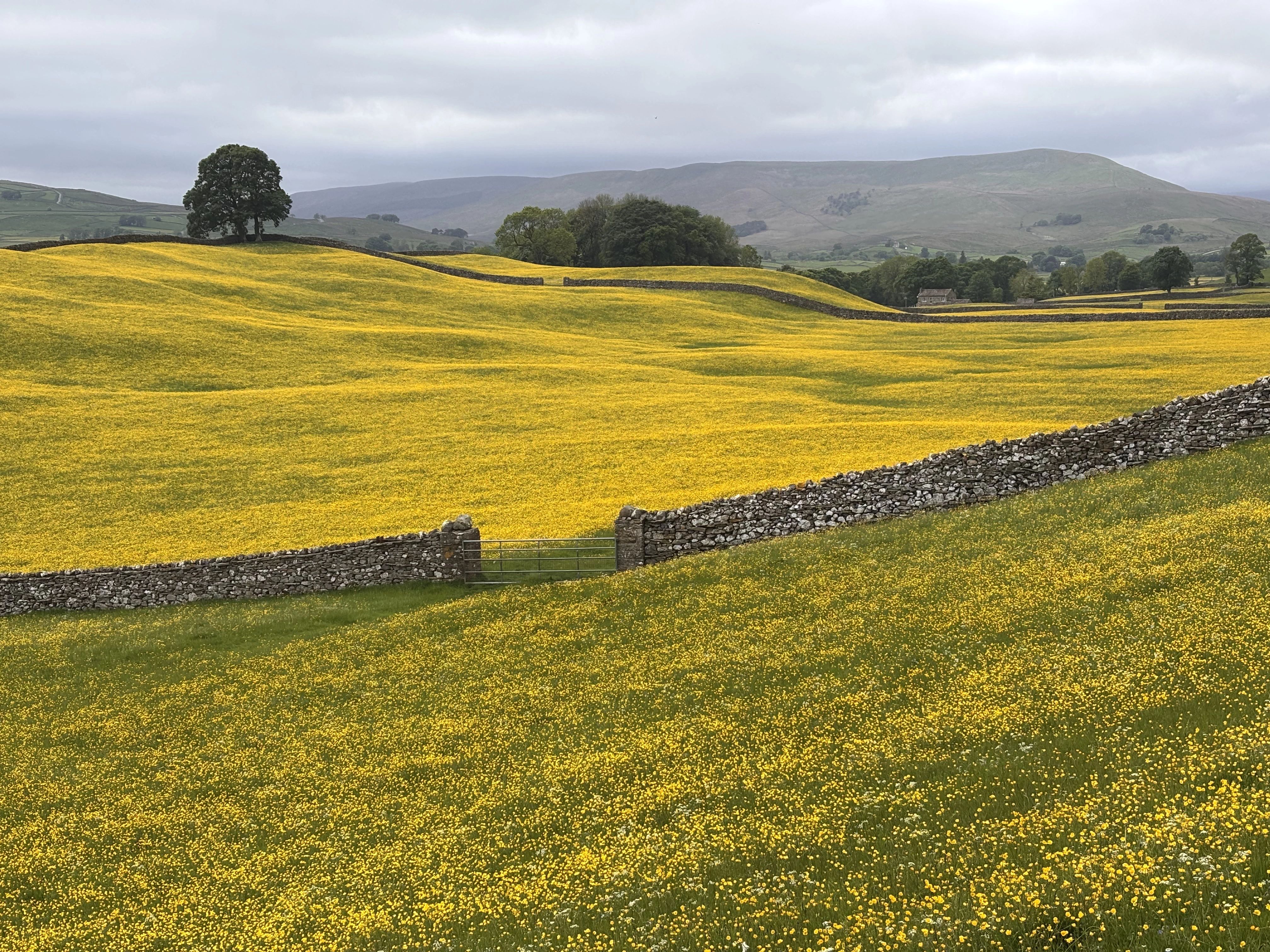
Estimates suggest there are over 600,000 sheep in the Yorkshire Dales National Park alone — far outnumbering the human population. Their grazing helps preserve wildflower meadows and manage the moors, shaping the very landscape visitors come to see.
Living legends of the land
These are hardy animals: Swaledales lambing on icy hillsides, Dalesbreds picking their way up limestone escarpments, Hebrideans quietly conserving wildflower meadows. They need no heated shelters, and they follow the footpaths of centuries.
Wool, wonder and the heart of Yorkshire
Yorkshire's sheep are history keepers and symbols of resilience — and one of the surest ways to feel the character of the Dales. On a private Dales tour you'll meet them at every turn, on the hills and in the valleys where land and life are entwined. To plan your own day among them, get in touch.
Yorkshire sheep: quick questions
What sheep are in the Yorkshire Dales? Swaledale, Dalesbred, Rough Fell, Hebridean, Herdwick and Scottish Blackface.
What is the traditional Yorkshire sheep? Swaledale and Dalesbred are considered the most traditional.
What are the black-faced sheep in Yorkshire? Swaledale, Scottish Blackface and Hebridean.
What is the rare breed of sheep in Yorkshire? The Hebridean is a protected rare breed found in some reserves.
Useful links: Yorkshire Dales National Park · Yorkshire Wildlife Trust · Farfield Mill · The Sheep Sanctuary.